History
Researchers Believe They’ve Finally Located the Tomb of Vlad the Impaler in Naples, Italy

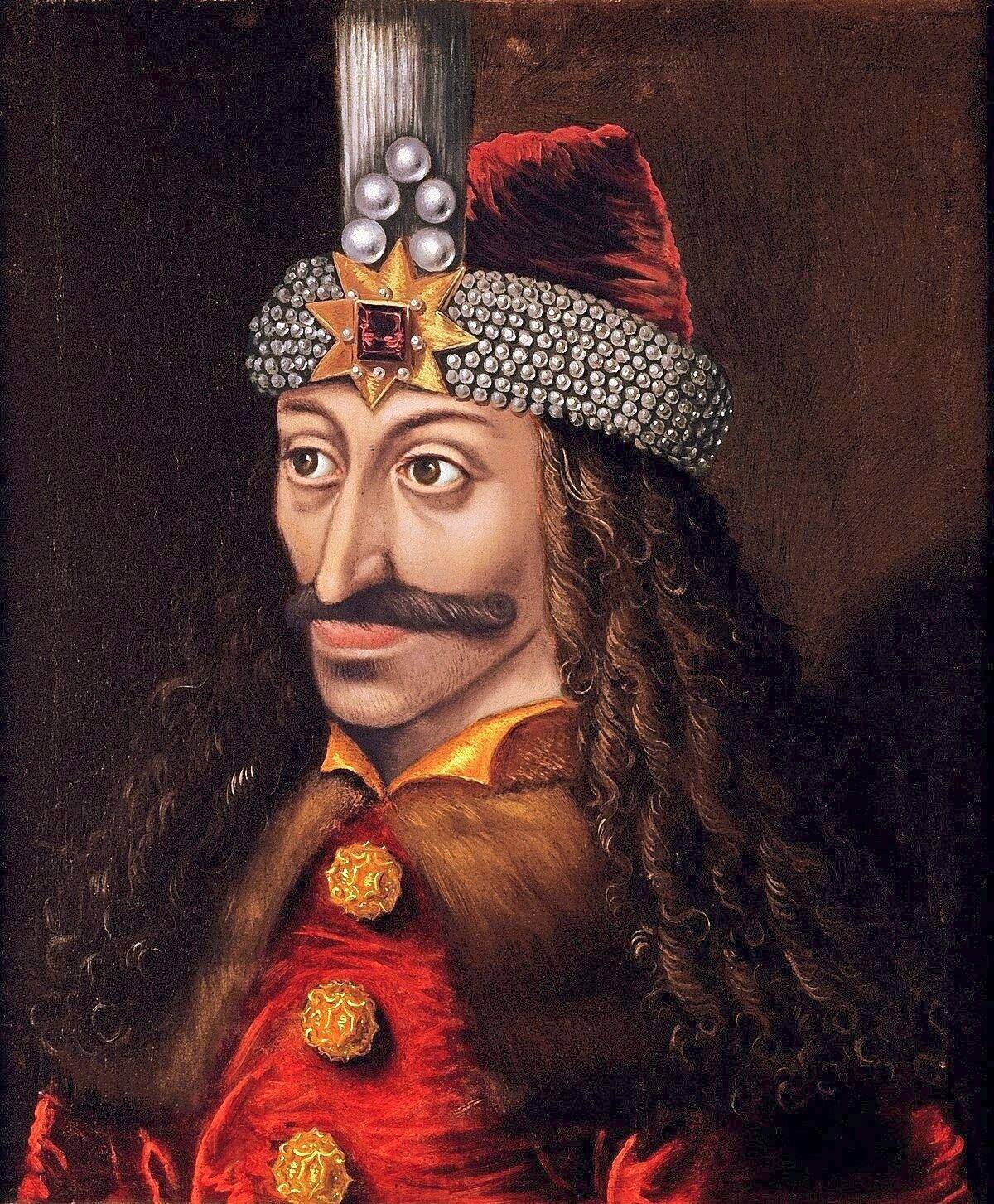
After a 500-year search, researchers believe they’ve found the long-lost tomb of Vlad III — the brutal Romanian nobleman more commonly known as the blood-sucking vampire Count Dracula, sources tell Globe.
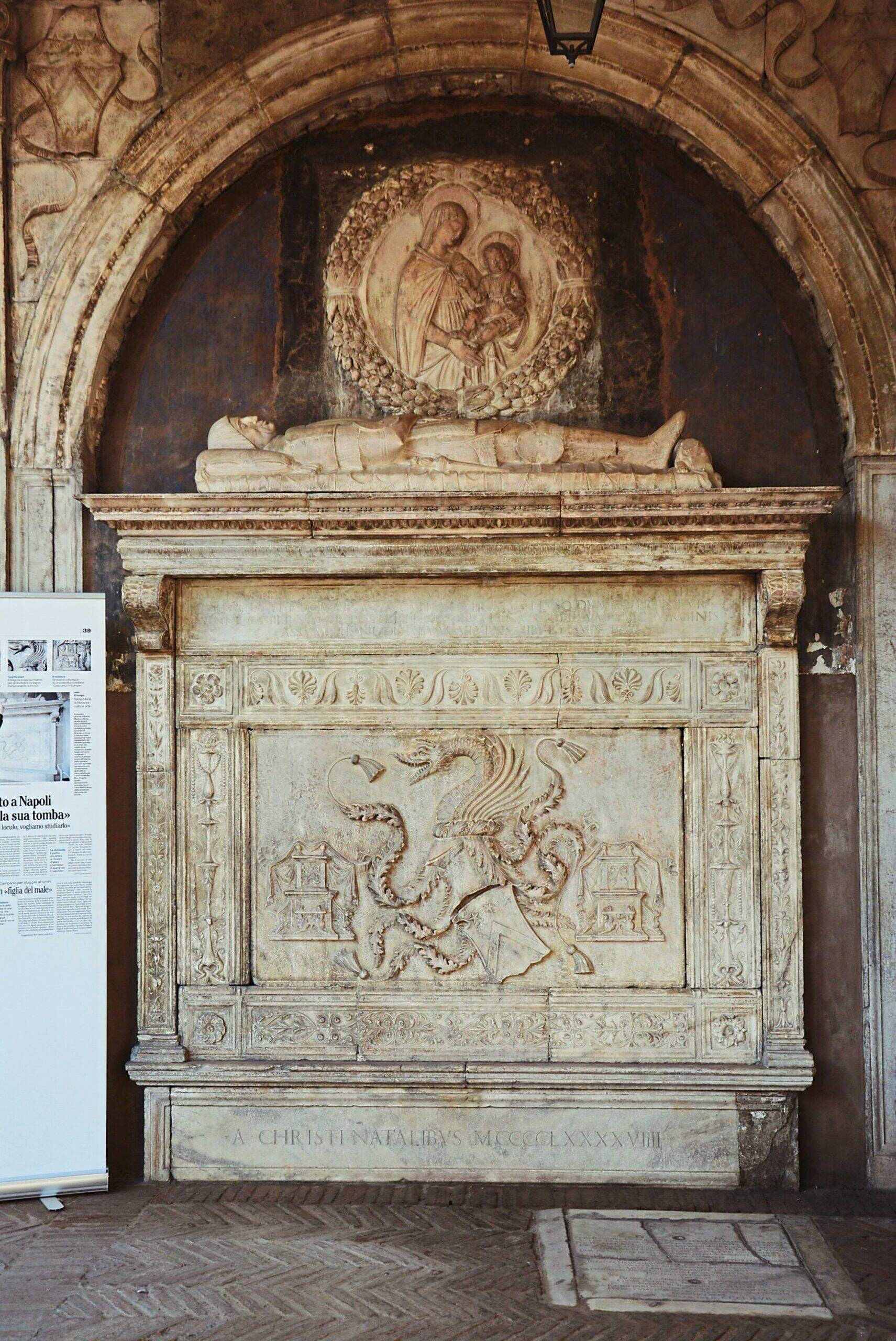
Nestled within the chapel of a centuries-old church in Naples, Italy, the tomb contains numerous signs that show it is the final resting place of history’s notoriously bloodthirsty prince, archeologists say per Daily Mail.
The vicious warrior was called Vlad the Impaler for his brutal tactics — including impaling his enemies on large stakes after beating them on the battlefield as a terrifying warning to any who would oppose him.
He was believed to be beheaded in 1476 after he was finally defeated, and his remains have never definitively been identified.
But a mysterious Latin-like inscription on the ornate marble tomb reads “Blad,” which experts interpret as “Vlad”; and “Balkan,” which is believed to be a reference to the mountainous region the brute once ruled.
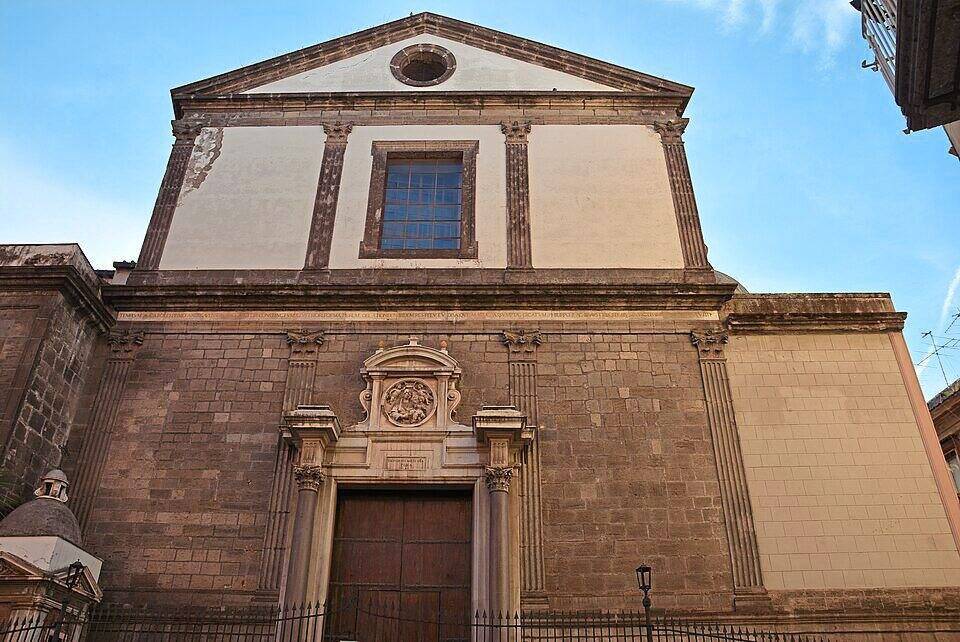
The crypt — located in the Turbolo Chapel of the Santa Maria la Nova church complex — also features an ageless knight’s helmet crowned with a dragon’s head, a symbol that researchers believe refers to Vlad’s nickname, Dracula, which means “son of the dragon” in medieval Romanian.
The barbaric prince inherited the menacing title from his father, Vlad II, who claimed it after joining the mysterious Order of the Dragon, a secret medieval society that was sworn to protect Christendom from rampaging Muslim armies.
Experts say that other clues also point to Vlad’s burial in Naples, including Sphinx-like statues flanking the tomb, symbols that sources say are likely a cryptic nod to the ancient Egyptian city of Thebes, now known as Luxor, which legend says was terrorized by a mythical symbol of the Romanian word “Tepes,” meaning “Impaler,” according to Daily Mail.
Researchers began their quest to find the tomb of the historical figure — used by author Bram Stoker as the horrific character in his landmark 1897 novel Dracula — following a 1931 excavation of a monastery outside Bucharest, where he was thought to be buried, but which revealed only animal bones and a decapitated skeleton, according to The New York Times.
Decades later, in 2014, searchers turned to Naples because of a legend that Vlad’s alleged illegitimate daughter Maria Balsa smuggled his remains out of Romania and hid them in Italy, where she was adopted by a local Italian noble family following her dad’s death, the Jerusalem Post reported.
“When you look at the bas-relief sculptures, the symbolism is obvious,” says medieval history scholar Raffaello Glinni.