Science
Scientists Made a Wild Friday the 13th ‘Doomsday’ Prediction in 1960, and It’s Almost Here

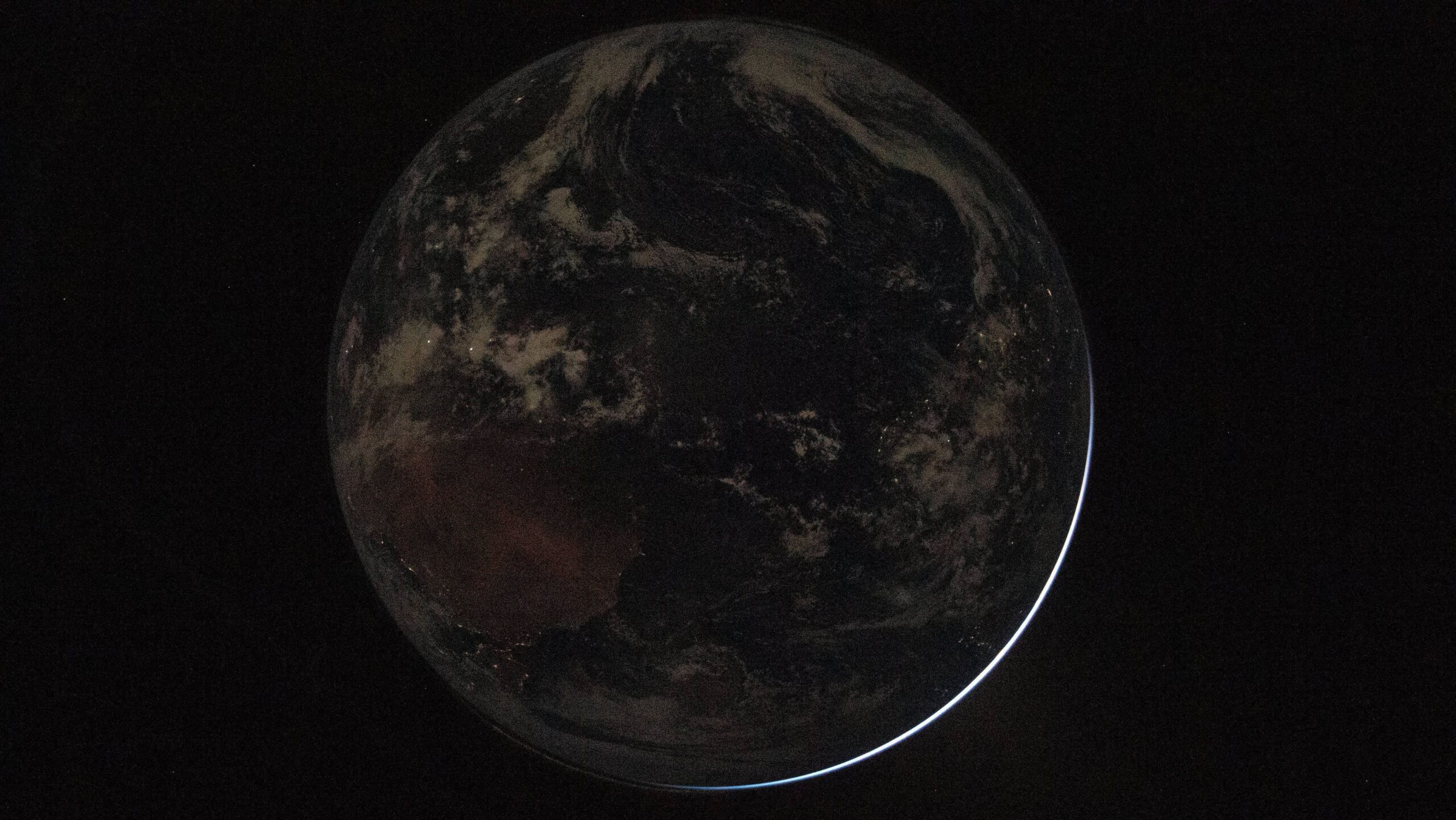
Sixty-six years ago, a group of scientists published a startling calculation about when humanity could reach a breaking point: They landed on Friday, November 13, 2026.
The Independent reported Wednesday, October 14, that the old study, titled Doomsday: Friday, 13 November, A.D. 2026, has resurfaced as that date approaches.
The authors coined the “Doomsday” label themselves and made it the first word in their paper’s title, according to Gizmodo.
They did not treat it as a literal forecast, arguing instead that people could avert the outcome by working together to halve the global birth rate.
Heinz von Foerster and University of Illinois colleagues Patricia M. Mora and Lawrence W. Amiot published their paper in Science on November 4, 1960.
The Independent reported that the paper landed in the Cold War era, when nuclear fears and resource worries dominated talk of humanity’s future.
“At this date, the human population will approach infinity if it grows as it has grown in the last two millennia,” the paper stated, warning: “Our great-great-grandchildren will not starve. They will be squeezed to death.”
Rockefeller University’s Joel Cohen said von Foerster “was drawing attention to a pattern,” not forecasting the end of the world, according to The New Daily.
For decades, the model tracked population growth surprisingly well, according to The Independent, before demographic trends began to diverge from its projections in the late 20th century.
The United Nations projects that the global population will rise from 8.2 billion in 2024 to about 10.3 billion in the mid-2080s before gradually declining.
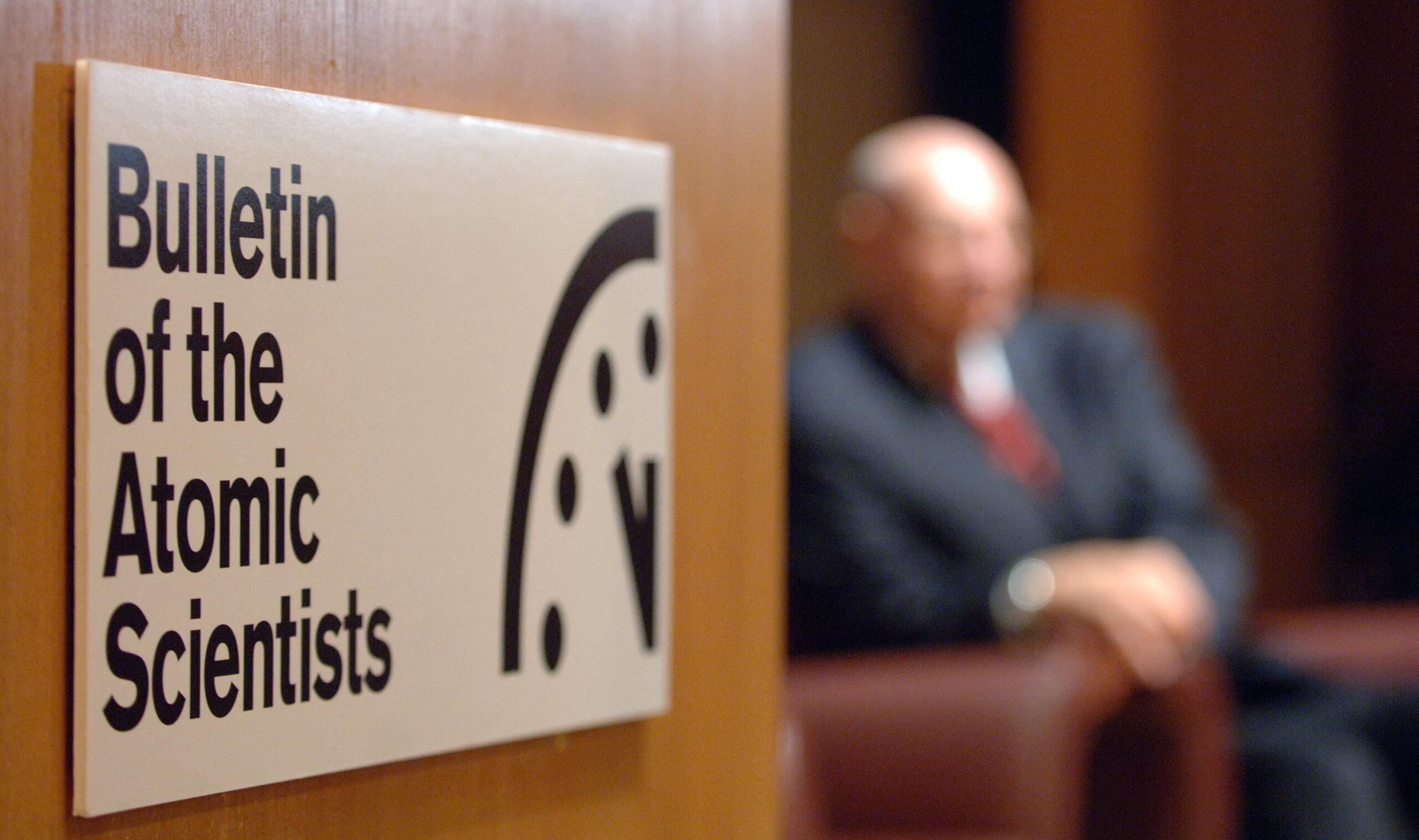
Separately, the Bulletin of the Atomic Scientists set its 2026 Doomsday Clock at 85 seconds to midnight, its closest point ever, citing nuclear threats, climate change, biological risks and artificial intelligence.