Lifestyle
Agritourism And Last-Minute Getaways Shape 2025 RV Travel Trends, According To New Report

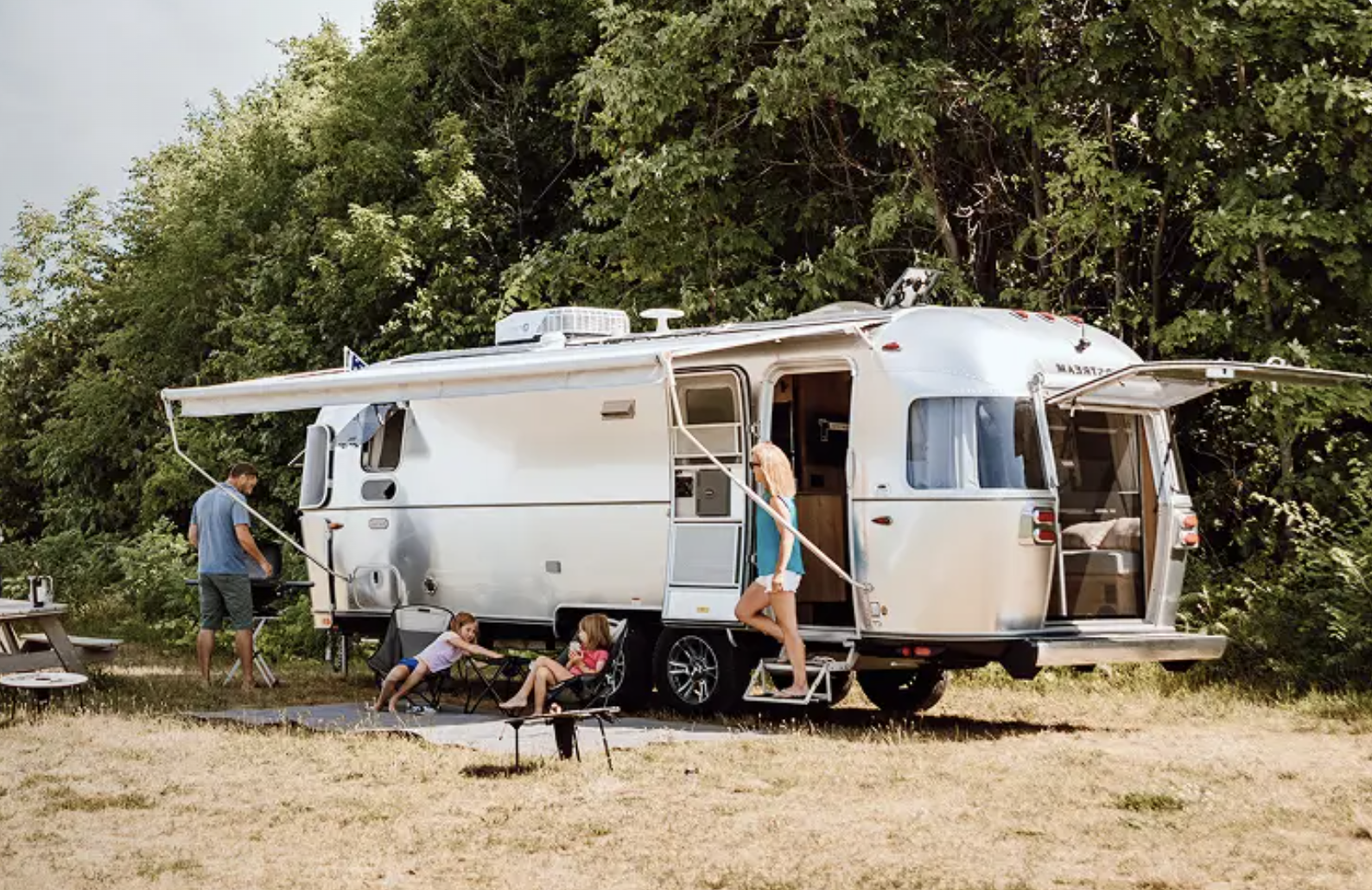
As summer travel season approaches, new data from Progressive Insurance and RV membership platform Harvest Hosts reveals a shift in how Americans plan their road trips — and where theyre headed.
The 2025 RV Travel Trends Report, released ahead of peak travel season, highlights a growing interest in agritourism, short-notice trip planning, and a return to the Northeast for vacations.
According to the survey, 85% of RV travelers prioritize outdoor recreational activities when choosing a destination, and two-thirds (65%) are specifically interested in agritourism. Popular among younger RVers, plant-based farms like vineyards and orchards top the list of desirable stops. Half of respondents aged 18 to 34 expressed strong interest in visiting animal-friendly farms, and nearly one in five (19%) said they would be open to working on a farm as part of their travel experience.
The report also shows a significant rise in spontaneous trip planning. Forty-five percent of RVers say they typically organize their trips with less than two months notice. Among Gen Z and millennial travelers, 38% plan getaways just two to three weeks in advance.
Traveling with furry companions remains a major factor in RV plans, with 52% of RVers hitting the road with pets in tow. A smaller segment (5%) travels with both children and animals, suggesting RVing continues to appeal to a diverse mix of families and individuals seeking flexibility.
Another notable trend for 2025 is a shift in preferred destinations. While the West Coast and Southwest were favored in 2024, the Northeast is emerging as a top travel region, with 25% of respondents eyeing it as a destination this year.
Harvest Hosts, which connects RV travelers with small businesses for unique overnight stays — often without traditional camping fees — plays a key role in enabling these experiences. Through its platform, members can access nearly 10,000 locations, including wineries, breweries, farms, golf courses, and more. Features like water and electric hookups, same-day bookings, and extended stays make it easier for travelers to tailor their adventures while supporting local economies.
As RV travel continues to evolve, these insights suggest a growing desire for meaningful, nature-based, and flexible experiences — rooted in connection with the land and the communities that shape it.
Read More From Globe
- LA Couple Lose Custody Case After Welcoming 27 Kids, Nearly All Under 3 Years Old, Via Multiple Surrogates
- Hugh Jackman’s Ex-Wife Deborra-Lee Furness ‘Wants to Meet With’ Sutton Foster One Year After Divorce
- Mike Vrabel Is Doing ‘Whatever it Takes’ to Save Marriage Amid ‘Shocking’ Dianna Russini Scandal