Politics
Tim Robbins Takes Aim at Democrats, Says Party Needs ‘Better Ideas’ to Win Over Voters

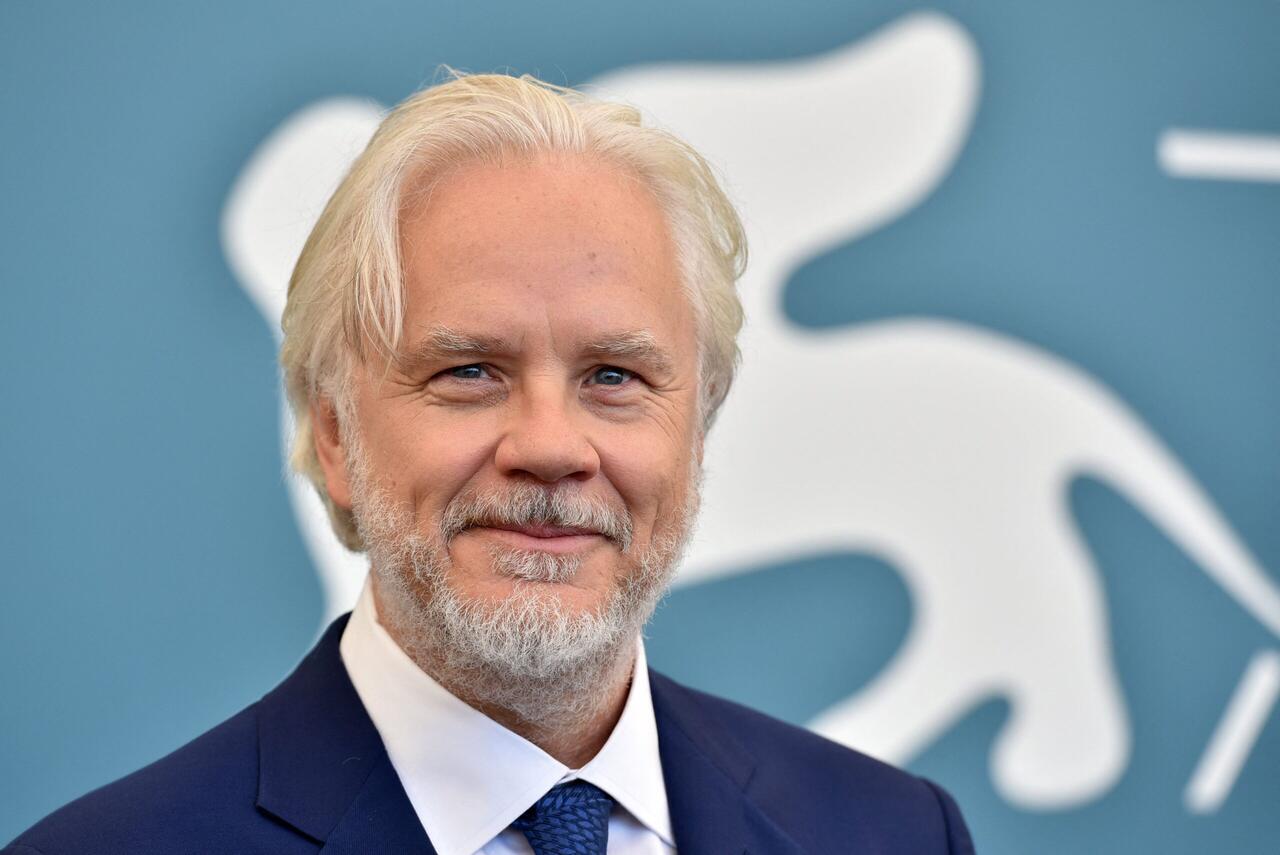
Tim Robbins is taking aim at the Democratic Party.
According to an article Fox News published on Wednesday, August 19, 2026, the Oscar winner, 67, didn’t hold back on the Democratic Party’s messaging problem during a Monday, August 17 episode of the SmartLess podcast, where he joined hosts Jason Bateman, Sean Hayes and Will Arnett.
“I personally am not a happy guy with either [party],” the Shawshank Redemption star told the hosts. “I got to say, there got to be better ideas and better, you know, better motivation for people to vote for Democrats. They have to get their stuff together. They really do.”
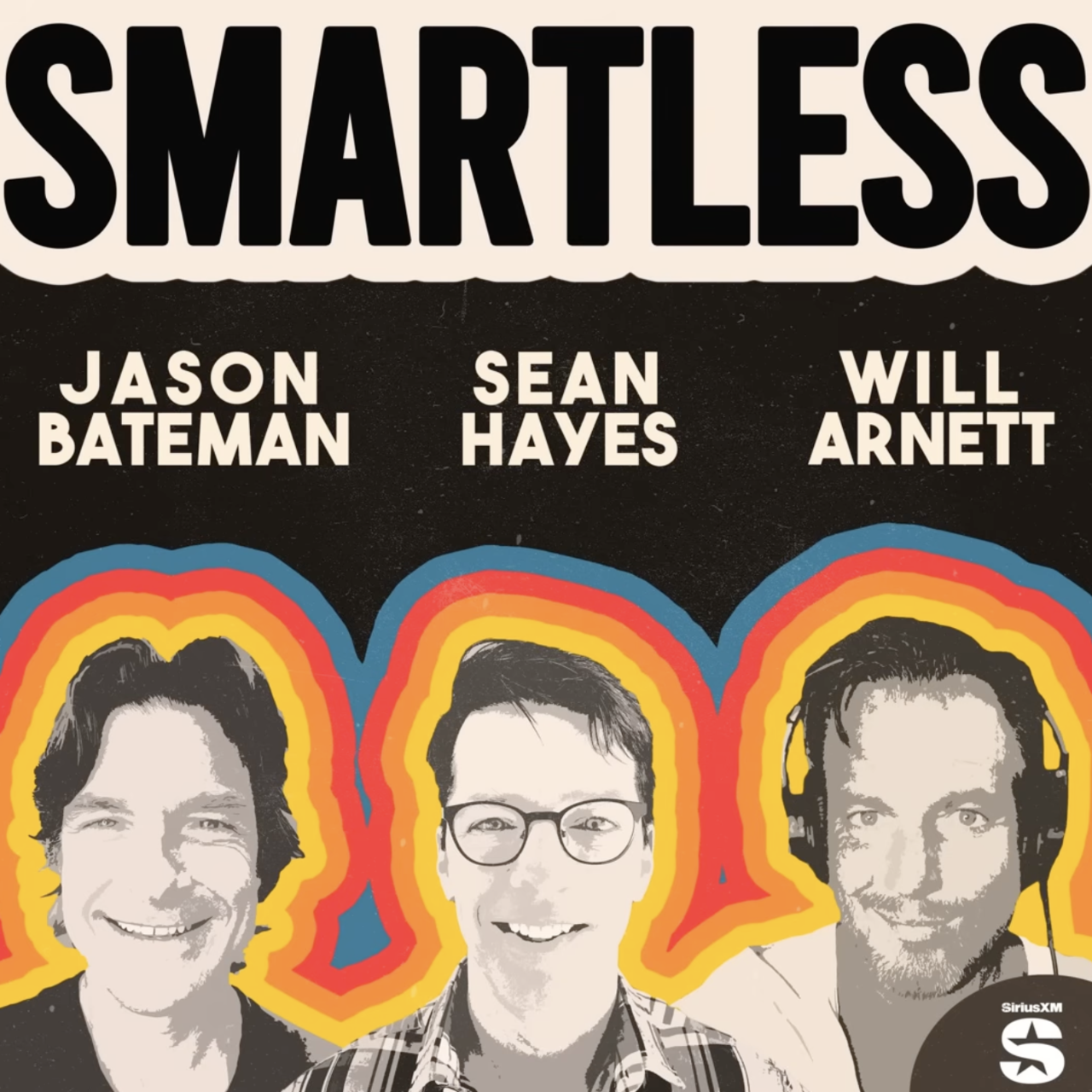
According to the outlet, the longtime Democrat’s frustration goes beyond his party, arguing that political outrage has become a problem on both sides. “The idea that you can find your worth and purpose and virtue by hatred is this terrible, terrible idea,” he said on the podcast. Robbins added that people shouldn’t become consumed by anger toward a “particular person you don’t know,” explaining, “You’re battling a concept or an idea or a philosophy. You’re not dealing with an individual.” Instead of waking up angry about political figures, he suggested trying “a little yoga” or “a little exercise.”
The actor is best known for starring in some of Hollywood’s most acclaimed films, including Bull Durham, The Player and Mystic River, the latter of which earned him an Academy Award for Best Supporting Actor in 2004.

On the podcast, the actor also revisited his 1992 directorial debut, Bob Roberts, about a folk-singing conservative candidate. Per the report, the Silo star recalled that reporters once pressed him on whether the film targeted then-President George H.W. Bush, saying he’d respond, “Well yeah, he’s actually in the film. You know, there’s clips of him in the film, but it also could be about, you know, the Gore Vidal character, too. It could be about why change doesn’t happen.”
More than three decades after Bob Roberts put his political satire on the big screen, Robbins appears just as interested in questioning why the system fails to deliver change — regardless of which party is in power.