News
Recovery And Rehabilitation After Astronauts Return From 9-Month ISS Mission

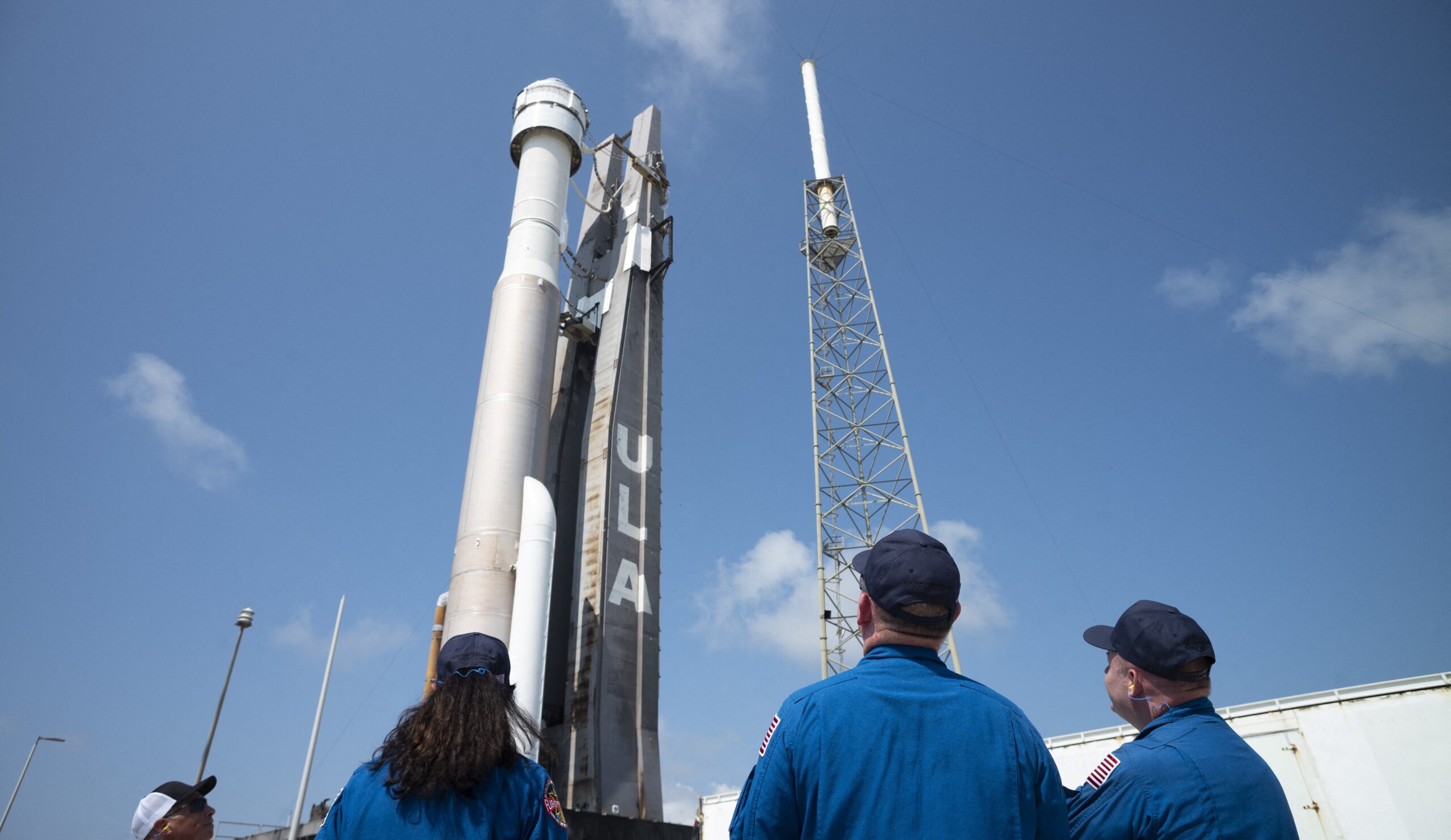
After an extended nine-month stay aboard the International Space Station (ISS), astronauts Sunita “Suni” Williams and Barry “Butch” Wilmore are scheduled to return to Earth on March 19, marking the beginning of a crucial recovery period.
While their homecoming is highly anticipated, the transition back to Earth’s gravity presents a set of physical and psychological challenges that require careful management, according to biomedical engineer Dr. John Jaquish, CEO of Primal Medical Group and creator of OsteoStrong, and a leading expert in musculoskeletal health.
Jaquish understands the risks astronauts face and the rehabilitation required to ensure a smooth recovery. He has pioneered bone density technology and training systems used by elite athletes, including professional NBA and NFL players, and his research continues to shape how space agencies approach astronaut health.
According to Jaquish, prolonged exposure to microgravity significantly impacts the human body, with astronauts experiencing:
Bone Density Loss: Without the stress of gravity, bones weaken over time, increasing the risk of fractures upon return to Earth.
Muscle Atrophy: Muscles deteriorate in microgravity, often leading to mobility issues post-mission.
Cardiovascular Stress: Blood circulation changes in space can strain the heart and affect overall cardiovascular health.
Psychological Strain: Extended isolation and the high-pressure environment of space can take a toll on mental well-being.
Rehabilitation Needs: Astronauts require intensive physical therapy to regain strength and mobility after months in a weightless environment.
To mitigate these effects, astronauts engage in rigorous preparation and rehabilitation efforts. Jaquish emphasizes the importance of advanced resistance training to maintain muscle strength, nutritional optimization to counteract bone and muscle loss, and mental wellness practices to support psychological resilience.
With extended space travel becoming more common, Jaquish says maintaining astronaut health during and after missions is critical.
Read More From Globe
- Arnold Schwarzenegger Spends Christmas With Kids, No Mention of Love Child Joseph Baena: 'Family Is Always Together'
- Landfill Explosion in California Sends 6 to the Hospital, Prompts Evacuation Warning
- Fox News Anchor Laura Ingraham Calls Out JD Vance Following FAA Outage: 'You Guys Have Been in Charge'